
 Adapters
Best XLR Cable for Microphones (Studio, Podcast & Live Sound)

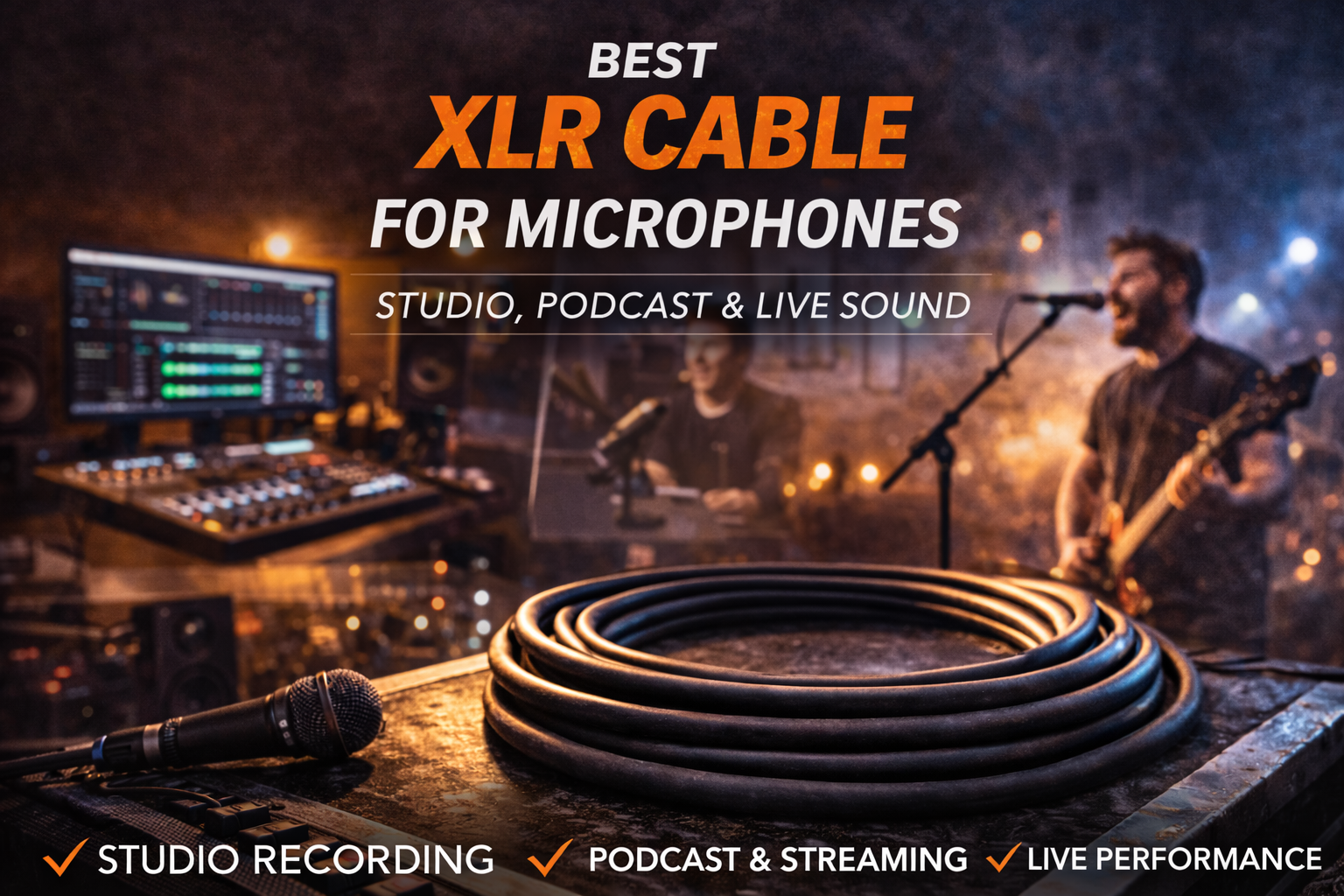
When your microphone suddenly starts producing hum, buzz, or signal dropouts, the first instinct is to blame the microphone or mixer. In reality, the XLR cable connecting your microphone to your audio system is often the hidden culprit. Choosing the best XLR cable for microphones is essential for achieving clear, noise-free audio in studios, podcasts, live performances, churches, and event setups.
Professional audio systems rely on balanced XLR cables to carry clean signals over longer distances without interference. However, not all cables are built the same. Low-quality cables can introduce unwanted noise, signal degradation, or even fail during important recordings or performances.
This guide explains how to choose the best XLR cable for microphones, what features actually matter, and how a professionally built cable can improve your overall sound quality.
Why Your Microphone Needs a High-Quality XLR Cable
Microphones capture delicate audio signals that must travel through a cable before reaching mixers, audio interfaces, or PA systems. If the cable is poorly shielded or built with low-grade components, it can introduce:
- Electrical interference
- Ground noise
- Signal loss
- Crackling or intermittent audio
A professional low noise XLR cable prevents these issues by using balanced wiring, proper shielding, and durable connectors. This ensures your microphone signal reaches the mixer exactly as it was captured.
For studio recordings, podcasts, or live sound, this difference can dramatically improve audio clarity.
Key Features of the Best XLR Cable for Microphones
1. Effective Noise Shielding
Microphone signals are very sensitive. The best XLR cables include high-density shielding that blocks interference from stage lights, power cables, wireless devices, and other electronics commonly found in studios and live venues.
2. Balanced Signal Design
A properly designed balanced XLR cable uses three conductors that cancel out electromagnetic noise. This is the reason professional sound systems rely on XLR connections instead of standard audio cables.
3. Durable Connectors
Loose or poorly made connectors often cause intermittent audio issues. Reliable XLR cables use precision connectors that maintain a solid connection even during heavy stage use.
4. Flexible Yet Durable Jacket
Good microphone cables must be flexible enough for stage movement but strong enough to withstand repeated bending, coiling, and transportation.
5. Custom Length Options
Using the right cable length helps reduce clutter and signal problems. Excessively long cables can introduce unnecessary resistance and stage clutter.
With Coluber Cable, users can design cables in custom lengths, colors, and connector types to perfectly match their setup.
👉 Design your cable here:
https://colubercable.com/design-your-cable/
Best XLR Cable Uses for Different Setups
Studio Recording
Recording studios require cables that deliver extremely clean signal transmission with minimal interference. A high-quality XLR cable ensures the microphone captures every detail without added noise.
Podcast & Streaming
Podcasters and content creators rely on consistent audio quality. A reliable XLR cable eliminates random crackles or dropouts during recording sessions.
Live Performance
On stage, cables face constant movement, foot traffic, and equipment handling. A rugged low-noise XLR cable ensures your microphone stays connected and your sound remains stable.
Church & Event Sound Systems
Churches and event venues often run long cable distances between microphones and mixers. High-quality balanced XLR cables maintain signal clarity even over longer runs.
Signs You Need a Better XLR Cable
If you experience any of the following issues, your cable may be the problem:
- Buzzing or humming sound from microphones
- Crackling when the cable moves
- Audio cutting in and out
- Weak microphone signal
- Interference during live performances
Replacing low-quality cables with professional low noise XLR cables often fixes these problems immediately.
Why Many Audio Professionals Choose Coluber Cable
Coluber Cable focuses on building professional-grade XLR cables designed for real audio environments. Instead of generic mass-produced cables, each cable is designed with performance and durability in mind.
Advantages include:
- Low noise signal transmission
- Durable construction for stage and studio use
- Custom length options
- Multiple color choices for easy cable management
- Reliable connectors designed for consistent performance
If you’re searching for a reliable microphone XLR cable, choosing a professionally designed cable can significantly improve your audio quality.
Final Thoughts
Your microphone, mixer, and speakers can only perform as well as the cable connecting them. Investing in the best XLR cable for microphones ensures your sound remains clean, stable, and professional across studios, podcasts, live performances, and event setups.
If you’re planning to upgrade your audio setup, a professional low noise XLR cable is one of the simplest ways to improve sound quality and reliability.